How a Car Accident Can Affect Your Mental Health

At West Coast Trial Lawyers, we understand that the aftermath of a car accident often involves more than broken bones or repair bills. For many victims, the most damaging injuries are invisible like emotional distress, anxiety, depression, post-traumatic stress. If you or someone you love is coping with mental health issues after a crash, you deserve justice, support, and full compensation.

Why Mental Health Injuries Matter After a Car Accident
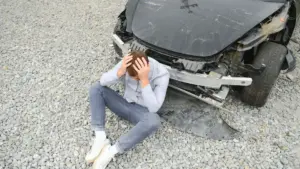
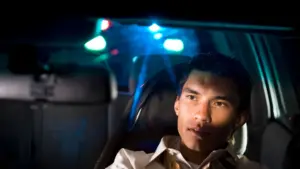
A man stressing after a car accident.

A car accident is a traumatic event. The sudden crash, the fear, the threat to life can shake a person’s sense of safety and well-being. Even when physical injuries heal, the psychological scars can linger. Many accident survivors experience flashbacks, anxiety about driving, insomnia, depression, or a constant sense of unease. These symptoms can deeply affect daily life, relationships, work, and long-term health.

Our experience shows that these are not “normal stress” issues. These are serious, often debilitating conditions that deserve to be treated with the same urgency and respect we give to physical injuries.

California Law Recognizes Emotional and Psychological Injuries
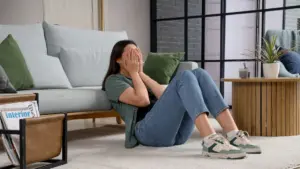
A woman crying in the living room.

Under California law, mental and emotional trauma caused by a negligent driver can qualify as valid injury in a personal injury claim. Whether you develop symptoms such as post-traumatic stress disorder (PTSD), chronic anxiety, depression, insomnia or other serious distress after a crash, those harms may form the basis of non-economic damages, including pain and suffering, emotional anguish, loss of enjoyment of life, therapy costs, and more.

It does not always matter whether you suffered catastrophic physical injuries or only minor property damage, what matters is whether the trauma you experienced was caused by the other party’s negligence.

Types of Mental Health Effects That May Result After a Crash

A woman contemplating about things.

Car accidents may trigger a broad spectrum of psychological and emotional injuries. Some of the most common include:

  • Post-Traumatic Stress Disorder (PTSD): Victims may suffer from flashbacks, nightmares, panic attacks, hypervigilance, or persistent anxiety. 
  • Anxiety and Panic Disorders: Many avoid driving, become fearful of traffic or being a passenger — which can impair work, family, and daily routines.
  • Depression: Feelings of emptiness, loss of interest in everyday activities, persistent sadness, or hopelessness may stem from a traumatic accident and its aftermath.
  • Sleep and Cognitive Problems: Insomnia, nightmares, difficulties concentrating, memory issues, or other cognitive struggles may arise after traumatic events.
  • Loss of Enjoyment of Life: Activities once taken for granted — riding in a car, going on outings, social engagement — may feel unreachable due to fear, depression, or anxiety.

All of these can significantly erode quality of life, even if physical recovery appears complete.

How Emotional Trauma Translates Into Legal Claims

A therapist talking to a patient.

Under California personal injury Civil Code section 1431.2(b)(2) , “emotional distress” is recognized as a component of “pain and suffering.”  If your emotional trauma meets certain criteria, especially if it’s serious, persistent, and objectively documented, it can support a valid claim for compensation. 

What You Must Show to Recover

To succeed in a claim for emotional or psychological injury, you generally need to prove:

  • The other party was negligent (e.g. speeding, distracted driving, DUI, failure to follow traffic laws) and caused the accident.  
  • That you suffered serious emotional or psychological harm — ideally documented by a qualified mental-health professional (therapist, psychologist, psychiatrist).  
  • That the emotional injuries were a direct result of the collision and have significantly impacted your daily life, relationships, work, or overall well-being.

If your claim is successful, you may recover:

  • Medical and therapy costs (mental-health treatment, counseling, medication) 
  • Compensation for ongoing emotional suffering, loss of enjoyment of life, inability to engage in former activities, or reduced quality of life  
  • Lost wages or diminished earning capacity if emotional injuries prevent you from working as you did before the crash  

Because emotional injuries are “non-economic damages,” there is no fixed dollar cap under California’s auto-accident laws — meaning compensation can reflect the real, lasting nature of your suffering. 

Challenges in Proving Mental-Health Related Claims

A woman on the couch looking at her phone for answers.

We acknowledge that emotional injuries are often harder to prove than broken bones or other physical damage. Unlike an X-ray or medical bill, anxiety, PTSD, or depression may rely on subjective symptoms, which insurers and defense attorneys often contest. To overcome these hurdles, documentation is the center point:

  • Consistent mental-health treatment records, notes from therapists or psychiatrists, and professional diagnoses. 
  • Detailed logs of symptoms, changes in behavior, sleep disruptions or emotional episodes.
  • Testimony from family members, friends, or other witnesses about how the accident changed your daily life and emotional state.
  • Evidence of how emotional trauma has affected your ability to work, socialize, or carry out normal activities.

With careful documentation and a dedicated legal strategy, emotional distress cases can hold the same weight as physical-injury claims.

What to Do Right Now

  1. Seek mental-health treatment– If you haven’t already, contact a licensed therapist, psychologist, or psychiatrist. Early treatment not only aids your recovery, but also strengthens your legal claim.
  2. Keep a journal of symptoms– Record upset mood, sleep problems, panic attacks, driving avoidance, and how these interfere with work, family, social life.
  3. Gather all evidence– Save medical bills, therapy receipts, medication records, notes from mental-health professionals, and anything that documents the effects of the crash on your daily life.
  4. Reach out to us– At West Coast Trial Lawyers we offer a free, confidential consultation. Let us review your case, explain your rights under California law, and help you pursue the full compensation you deserve

Why You Should Contact West Coast Trial Lawyers
Neama consulting with two clients.

At West Coast Trial Lawyers, we know the hidden toll that car accidents can take, both physically and emotionally. We also know how insurers often try to downplay or deny the reality of psychological injuries.

We bring to every case:

  • Experience handling claims involving PTSD, anxiety, depression, and other mental-health injuries after auto accidents
  • Thorough investigation and documentation of both physical and psychological harm
  • Skilled negotiation and, when necessary, assertive litigation to ensure you receive full and fair compensation
  • Compassionate client care, recognizing that emotional healing matters just as much as financial recovery

If you’re struggling with recurring nightmares, driving anxiety, depression, or emotional distress after an accident, you don’t have to fight this alone. Call us at 213-927-3700 or send us a message through our contact form for a free consultation.

We stand ready to help you protect your rights, recover damages, and begin rebuilding your life.

The post How a Car Accident Can Affect Your Mental Health appeared first on West Coast Trial Lawyers.
The 11 Most Common Protest Injuries

Attending public protests or large events can carry physical and emotional risks. While many participants attend protests to express free speech and community solidarity, injuries can arise, specifically chemical exposure, blunt impacts, or falls. In more serious cases, the consequences can extend beyond temporary harm, and result in even death. Knowing the most common protest injuries is important for documentation and personal safety. Taking precautions and recognizing when to seek medical care can help lessen the risk of lasting harm in crowded public settings.

1. Eye Injuries

A woman with an eye patch staring outward.

Eye injuries are one of the most severe and commonly documented protest-related injuries, particularly when law enforcement agencies deploy rubber or plastic bullets, tear gas canisters, or other projectiles in crowd control settings. A study surrounding U.S. protests following George Floyd’s death reported at least 115 head and eye injuries caused by rubber and plastic bullets, with some cases leading to permanent vision loss.

Contact lenses can worsen harm when chemical irritants, like tear gas or pepper spray, are present. Immediate medical care is important to prevent permanent damage. Protective eyewear is suggested to minimize risk.

2. Head Injuries

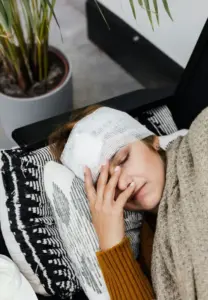
A woman with a head injury laying down.

Head injuries are one of the most serious categories of protest-related harm since it can affect the skull, face, or neck, and may escalate from concussions to life-threatening harm. Clinical reviews analyzing protest injuries have indicated that available data likely captures a fraction of the actual number of people injured since many of them either seek treatment at different facilities or do not pursue medical attention at all.

During a weekend of demonstrations in Los Angeles County, researchers noted that their sample reflected only a small portion of injuries that were actually sustained. Social-media-pooled reporting from that same time period identified at least 12 kinetic impact projectiles inflicted head injuries in Los Angeles alone, whereas nationwide figures demonstrated at least 115 people who were shot in the head or neck from May 26th and July 27th, shortly after George Floyd’s death in 2020.

3. Fractures

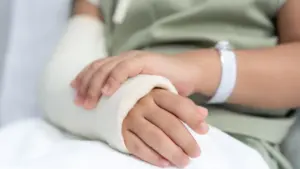
A person with a broken arm resting at a hospital.

Fractures are a significant category of protest-related injuries, especially when kinetic impact projectiles, such as rubber bullets, foam rounds, and tear gas canisters are used by law enforcement agents in crowd control settings. According to the Human Rights Watch, from the 2025 Los Angeles protests, officers fired several “less lethal weapons” at individuals, and among the noted injuries were broken bones, including fractures done to the limbs and facial structures caused by projectile impact.

In one of the cases, a protester was hit in the face and arm, which caused them to suffer a facial fracture in addition to serious bruising and eye damage. Another person endured a broken leg after being struck by a projectile. Independent investigations of other protests globally have noted similar forms of pain linked to both blunt impact projectiles and heavier munitions used against crowds.

4. Bruises and Contusions

A closeup of a woman with a bruised face.

Bruises and contusions frequently occur in protests that are exposed to crowd control tactics. These injuries may be caused by kinetic impact projectiles, like rubber or plastic bullets, or by physical contact with police officers during confrontations.

Medical records and studies of protest-related injuries show that while many contusions seem minor, they often accompany more severe injuries, including fractures, head trauma, or internal pain. They can impact multiple areas of the body and usually require medical assessment to identify hidden damage and reduce the risk of long-term complications.

5. Sprains and Strains

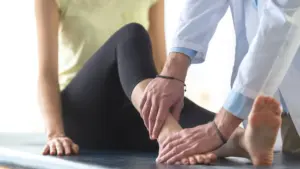
A woman with a sprained ankle getting checked out by a doctor.

Sprains and strains can occur when protesters are injured while fleeing tear gas or being pushed in crowd control situations. Twisted ankles, wrist strains, and back pain often result from sudden movements or impacts. Though less common than fractures or head trauma, these injuries may still require rest and immobilization.

6. Cuts and Lacerations

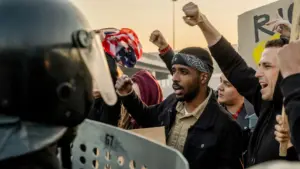
A group of protestors confronting an officer in riot gear and a shield.

During protests, cuts and lacerations can happen when less lethal weapons are used or when protesters come into forceful contact with officers. According to documented protests in Los Angeles, the Human Rights Watch discovered that several individuals sustained lacerations and large open wounds after being struck by projectiles.

Some were severe, requiring medical care, and sometimes even surgery or extended treatment. HRW noted that blunt projectiles often resulted in gaping cuts and significant limb injuries.

7. Chemical Irritation

A closeup of an officer with a tear gas weapon.

Law enforcement agencies deploy chemical irritants, like tear gas and pepper spray, to control crowds during protests and demonstrations. Chemical irritants at protests are sometimes portrayed as causing minor discomfort, but studies show they can harm multiple bodily systems.

In a review of more than 9,000 cases, most injuries were mild, yet nearly 9% were severe, affecting the skin, eyes, and respiratory system.

8. Burn Injuries

A picture of colored smoke during a protest.

Protest-related burn injuries are mostly caused by chemical irritants, tear gas canisters, flash-bangs, or accidental fires during clashes. Human Rights Watch and Amnesty International have reported cases of thermal burns from hot projectiles that were either caused by police officers trying to subdue the situation or other protestors taking rash actions. 

While burn injuries are less common than bruises or contusions during a protest, such bodily harm can range from mild irritation to serious tissue damage. The use of crowd control in tight spaces can heighten the risk of burns, emphasizing the need for protesters to protect exposed skin and avoid direct contact with incendiary devices. Should someone suffer a burn injury during a protest, it is urged to cool the injury, apply first aid, and seek medical attention immediately, because severe burns can cause infections which can be fatal. 

9. Hearing Damage

A man shouting on a megaphone.

Hearing damage can happen during protests when law enforcement officers deploy acoustic weapons, like sound/sonic cannons or flash-bang/stun grenades as part of crowd control. These devices can pose a risk of auditory injury. Protesters should take steps to protect their ears whenever they are involved in demonstrations where such loud crowd control weapons are being used.

10. Respiratory Issues

A person coughing at home.

Respiratory issues are a known risk for protesters who are exposed to tear gas, pepper spray, or other chemical irritants used in crowd control settings. These chemical agents can irritate the airways, nose, throat, and lungs. This type of interaction can trigger coughing, shortness of breath, chest tightness, and asthma-like conditions. Evidence from the 2020 Portland protests found that almost all respondents reported physical symptoms, in which many included respiratory difficulties that lasted for days after exposure.

The study further showed that repeated exposure increased the likelihood and severity of these health issues. While most effects are temporary, some people who have pre-existing respiratory conditions, children, or those repeatedly exposed may deal with more serious problems. In such a case, medical care is encouraged.

11. Psychological Trauma

A crying woman talking to someone on the couch.

Psychological trauma, such as anxiety and post-traumatic stress disorder (PTSD), can be caused by excessive force or violent encounters with law enforcement officers. The Human Rights Watch reported several cases in Los Angeles where protesters endured long-term emotional distress after dealing with aggressive crowd control measures. These injuries can be serious and persist even when physical wounds have been healed, ultimately demonstrating the mental health consequences that can arise when participating in protest involvement.

Furthermore, a cross-sectional, web-based survey (conducted in Portland, Oregon during the 2020 racial injustice protests) evaluated 2,257 adults that were met with recent exposure to tear gas and learned that a majority experienced physical or psychological health issues following contact.

Roughly 94% reported physical symptoms whereas more than 72% suffered psychological effects, with many individuals noting that problems appeared immediately after the exposure, and how it persisted for days. Notable conditions pertaining to mental health specifically included anxiety or distress.

The study further reported that more than 55% of participants received or planned to get medical or mental health care. Researchers concluded that repeated use of chemical irritants by police officers may lead to unexpected and prolonged harm, specifically to those who have pre-existing respiratory or psychological conditions.

Protect Your Rights After Protest-Related Injuries

A close up of a group of protestors.

If you or a loved one have been injured during a protest, whether it was caused by kinetic impact projectiles, chemical irritants, or other hazards, it is important to understand your legal options. Although law enforcement officers have a duty to use crowd control weapons responsibly, injuries caused by excessive force may entitle you to compensation for losses you incurred.

At West Coast Trial Lawyers, we will provide guidance and support every step of the way. Our team works to help victims access medical care, document their losses, and gather evidence to build a strong claim. We will advocate on your behalf, ensuring your situation is taken seriously and your voice is heard.

To set up a FREE consultation, you can get in touch with us by calling (213) 927-3700 or completing our easy online contact form.

The post The 11 Most Common Protest Injuries appeared first on West Coast Trial Lawyers.
Is It Illegal to Drive with One Headlight in California?

Driving with one headlight might not seem like a big deal, until you’re pulled over or involved in an accident. At West Coast Trial Lawyers, we’ve seen firsthand how something as simple as a broken headlight can become a legal and financial headache.

Whether you’re trying to avoid a ticket or wondering how a faulty headlight could affect liability after a car crash, this guide will help clarify the law and explain when it’s time to speak with a personal injury attorney.

California Vehicle Headlight Law: The Basics

A stack of books and a gavel next to a book titled

Under California law, headlights must be:

  • Turned on between sunset and sunrise
  • Used when visibility drops below 1,000 feet due to weather
  • Fully functional on both sides of the vehicle
  • Capable of projecting light to a distance of at least 150 feet

You can review the full statute under California Vehicle Code § 24400.

Are You Breaking the Law by Driving with One Headlight?

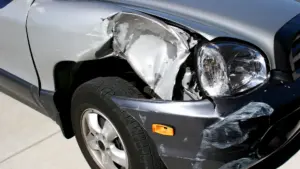
A car with a broken front headlight and bumper.

In California, driving with only one functioning headlight is against the law. According to the California Vehicle Code § 24250, all vehicles must be equipped with lighting devices that are “in good working order” and used when visibility is reduced (i.e., between sunset and sunrise or during weather conditions like fog or rain).

If just one headlight is out, even temporarily, you’re no longer in compliance with state law. In some cases, this could result in a “fix-it” ticket or a more serious traffic infraction.

Legal Tip: If your vehicle defect leads to an accident, it could shift liability, making you responsible, even if the other driver was partly at fault.

Why Is Driving with One Headlight So Dangerous?

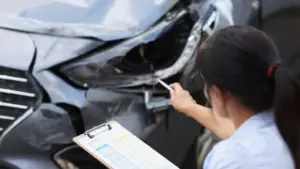
An inspector assessing the damage of a broken headlight.

A single working headlight reduces your ability to see and makes your vehicle harder to see—especially at night or in poor weather. It can cause other drivers to misjudge your position on the road or mistake you for a motorcycle, increasing the risk of a crash.

According to the National Highway Traffic Safety Administration (NHTSA), inadequate lighting plays a role in thousands of nighttime collisions each year. That’s why California takes this issue seriously, especially in high-traffic cities like Los Angeles, San Diego, and San Francisco, where police are more likely to pull drivers over for equipment violations.

Why Motorcycles Are Allowed to Have One Headlight

The reason why motorcycles are allowed to have only headlight is because they specifically designed and legally approved to operate with a single, centrally mounted headlight. Their smaller profile was considered during DOT testing and certification and have passed all legal requirements that is required by California and Federal law. 

Passenger vehicles, on the other hand, are legally required to have two working headlights due to the size, build, and overall. Any attempt to compare your sedan to a motorcycle in court won’t hold up and won’t get your ticket dismissed.

What Are the Penalties for Driving with One Headlight?

A police car pulling over a car.

In California, being caught driving with one headlight typically results in a “correctable violation”, also known as a fix-it ticket. Here’s what you could face:

  • Base fine: $25 (plus court fees, which often bring it to $150+)
  • Fix-it ticket: Gives you a deadline (usually 30 days) to repair the issue and have proof signed by law enforcement.
  • Repeat offenses or ignoring the ticket: May result in a moving violation or even a court appearance.
  • Insurance impact: Some insurers may increase your premium if the violation is reported.

What Happens if You’re in an Accident with One Headlight?

A red car in a severe car accident at night.

If you’re involved in a car accident while driving with only one functioning headlight, it can be used against you in court or during an insurance claim. The other party—or their insurer—could argue that you were partially or fully at fault for failing to maintain your vehicle’s safety equipment.

This is especially critical in comparative fault states like California, where liability can be shared. That means your payout could be reduced or denied entirely, depending on how much your broken headlight contributed to the accident.

Injured in an accident and being blamed for a broken headlight? Contact our car accident attorneys today for a free consultation.

Can You Be Pulled Over for One Headlight in California?

A closeup of a police car siren.

Absolutely. California Highway Patrol (CHP) and local law enforcement officers frequently pull over drivers for vehicle equipment violations, especially at night. In high-enforcement areas like Downtown LA, Hollywood, and the Bay Area, you’re even more likely to be stopped.

Once pulled over, officers may inspect:

  • Your driver’s license and registration
  • Insurance status
  • Any other equipment violations (e.g., illegal modifications, broken taillights, etc.)

A simple headlight issue can open the door to additional citations if other violations are discovered.

State Comparison: Headlight Laws in the West

State Is It Illegal to Drive with One Headlight? Penalty Type Fine Range
California Yes Fix-it ticket or citation $25–$250+
Arizona Yes Warning or fine $50–$150
Washington Yes Citation possible $50–$100
Nevada Yes Citation/fix-it ticket $100–$200

Each of these states requires fully operational headlights, particularly during low-light conditions. California is among the most strictly enforced, especially in urban areas with heavy traffic.

What to Do If You Get a Fix-It Ticket for a Broken Headlight

A police officer writing a ticket.

If you’re pulled over for a broken headlight, here’s what to do:

  1. Stay polite and cooperative. Arguing never helps.
  2. Accept the fix-it ticket if offered—it’s the best-case outcome.
  3. Get the issue fixed within 30 days (most cases).
  4. Have a law enforcement officer or certified mechanic sign off on the correction.
  5. Return the signed form to court before the deadline to avoid further penalties.

Call West Coast Trial Lawyers Today

A row of lawyers from WCTL.

Driving with one headlight might seem like a minor issue, but the legal and financial consequences can add up fast. Whether you’re facing a citation or being blamed for a crash, don’t wait.

At West Coast Trial Lawyers, we help clients navigate vehicle-related liability, defend themselves against unfair accusations, and get compensated after car accidents. With over 25 years of experience, our team of personal injury attorneys are here to protect your rights and fight for the compensation you deserve.

 Call us now at 213-927-3700 or send us a message through our contact form for a free consultation.

The post Is It Illegal to Drive with One Headlight in California? appeared first on West Coast Trial Lawyers.

Who is Liable for a Drunk Driving Accident After a Holiday Party?

During the holiday season, festive gatherings are a fun and enjoyable experience but they can also raise serious safety and legal concerns. Holiday party accidents can happen when alcohol is involved, and questions about liability may come up when a celebration turns into an accident. Determining who may be held responsible after a drunk driving crash is not always a straightforward approach and may depend on the specific circumstances surrounding the event. When that happens, the focus will shift to holiday party drunk driving liability and how the law will evaluate responsibility in these situations.

Am I Liable if Someone Drinks and Drives From My House?

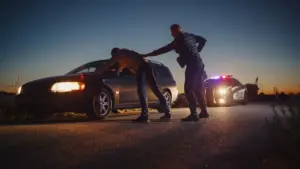
A drunk driver getting pulled over by a police officer.

Liability for drunk driving cases does not automatically extend to the person who hosted a gathering where alcohol was provided. Under California’s social host liability laws, legal responsibility will generally fall on the individual who chose to participate in alcohol consumption and then drive, rather than the homeowner or person hosting a holiday or company party. In most cases, the law places accountability on the impaired driver who decided to get behind the wheel under such conditions.

California Civil Code § 1714 specifically indicates that furnishing alcohol is not the proximate cause of injuries resulting from intoxication. For this reason, social hosts are usually not found liable when adult guests drink and later get into an accident while driving home. Even if alcohol was available throughout the duration of an event, liability will remain with the driver who acted with negligence, not the host.

Are Bars Held Liable for Drunk Drivers?

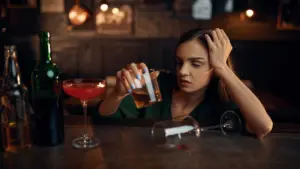
A drunk woman falling asleep at the bar.

Bars and restaurants are not immediately held liable when a drunk patron later causes an accident, because California law takes the position that consuming alcohol, rather than it being served, is the proximate cause of injuries resulting from intoxication.

However, Business and Professions Code § 25602.1 provides a narrow exception for minors. A bar may face legal responsibility if it knowingly furnishes alcohol to an obviously intoxicated minor who later triggers injuries or property damage. Outside of cases involving minors, bars are largely protected from liability, even if they did not enforce drink limits or continued serving alcohol.

Since California’s dram shop laws are limited, injured victims will need to seek claims directly against the intoxicated driver rather than the particular establishment. Legal services can help determine whether an exception applies and identify all available avenues for compensation based on the facts surrounding the situation.

What Is the Definition of Dram Shop Law?

A person pouring shots for a customer.

Dram shop laws involve a set of statutes that allow an injured victim to hold an alcohol provider legally responsible for harm caused by an intoxicated individual. This applies when the provider’s act of providing alcohol contributed to the intoxication that led to an injury or death. Such rules typically apply to commercial alcohol vendors, like open bars, restaurants, nightclubs, and liquor stores.

Dram shop liability will vary by state. California applies these rules very narrowly, usually placing responsibility on the person who consumed the alcohol rather than the provider. Nevada takes an even more restrictive approach, providing greater protection to alcohol providers under most circumstances. Because of these differences, whether a dram shop claim exists will depend mostly on where the situation happened. 

What Kind of Evidence Is Needed in a Dram Shop Case?

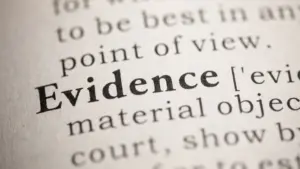
A closeup of the word 'Evidence' in a dictionary.

Proof of service such as receipts, bar tabs, timestamps, surveillance footage, or witness testimony is needed to prove a dram shop case, because it shows how many alcoholic beverages were provided, over what period of time, and by whom. Doing this can help show whether the individual was intoxicated when additional alcohol was furnished.

Another important element to consider is explaining that the person appeared visibly or obviously intoxicated at the time of service, or if they were underage. Witness statements from employees, like bartenders, servers, or patrons can describe if recognized signs, like slurred speech, glassy eyes, or unsteady movement were expressed.

In underage cases, fake IDs or no age verification requirements being fulfilled can be especially crucial. Since dram shop liability is limited in California, these circumstances will heavily rely on detailed evidence. Even minor details, like timing, behavior, and service decisions, can determine if a claim should be processed at all.

Involved in an Accident with a Drunk Driver? West Coast Trial Lawyers Is Here to Help

A row of lawyers from WCTL.

Being involved in an accident with a drunk driver can turn holiday cheer into stress and uncertainty. Injured parties may often face medical bills, missed work, and emotional distress all while trying to understand their legal options under personal injury law. Taking proactive steps early on can make a big difference when it comes to protecting your claim and gathering important evidence.

At West Coast Trial Lawyers, our team is readily available to support injured victims during these difficult times. Through a FREE consultation, we can provide more insights into your rights and determine what would be the best path to take based on your situation. 

To get started, we invite you to reach out by calling (213) 927-3700 or filling out our easy online contact form

The post Who is Liable for a Drunk Driving Accident After a Holiday Party? appeared first on West Coast Trial Lawyers.
7 Tips To Prevent Drunk Driving Accidents During the Holidays

The holiday season is a time of celebration, but it could also attract heavier traffic and increase the risk of impaired driving. With a high volume of road activity and alcohol consumption at social events, the presence of drunk drivers will gradually increase.

National crash data demonstrates that drunk driving will not affect all groups equally, and that certain age ranges are more frequently involved in DUI-related crashes, with some holidays seeing a significantly higher rate of alcohol-impaired fatalities than others. With more drunk drivers on the road, these patterns demonstrate why safety during the holidays remains as a serious concern.

Knowing who is most at risk and when these crashes are expected to occur is important. From there, figuring out how to plan ahead, choosing safer transportation options, and avoiding impaired driving can all help lessen the chances of accidents during the holidays.

What Age Gets the Most DUI?

A policer officer arresting a drunk driver.

According to the National Highway Traffic Safety Administration (NHTSA), drivers ages 21 to 24 have the highest percentage of alcohol-impaired drivers involved in fatal crashes. In 2023, this age group had the greatest share of drivers with a blood alcohol concentration (BAC) of or above 0.08%. This makes young adults in their early 20s the most common group when it comes to DUI-related fatal accidents.

With that said, underage drinking continues to be a serious concern. Car crashes are known to be one of the leading causes of deaths for teens. In 2023, 30% of drivers ages 15 to 20 who died in crashes had a BAC of 0.01 g/dL or higher. These emphasize why impaired driving, especially among teens, is dangerous due to their limited driving experience and higher crash risk.

Under California Vehicle Code § 23136 (Zero Tolerance Law), it is not allowed for a driver under the age of 21 to operate a motor vehicle while they have a BAC of 0.01% or higher. A violation will trigger administrative penalties, like an automatic license suspension by the Department of Motor Vehicles (DMV). A higher BAC, specifically 0.05% or more, can result in separate and harsher DUI charges (CVC §§ 23140 and 23152). This includes fines, classes, probation, and potential jail time. A refusal can also extend the DMV suspension.

Which Holiday Has the Highest Rate of Drunk Driving Fatalities?

Two people clanking their glasses together in front of a Christmas tree.

Data from the National Safety Council (NSC) shows Memorial Day as the holiday with the highest proportion of alcohol-impaired traffic fatalities when compared to other major United States holidays. While alcohol-related crashes contributed to 30% of all traffic deaths in 2023, this specific period increased to 39%.

Impaired driving also continues to be a notable issue during the winter season. New Year’s Eve and Christmas are often associated with increased alcohol consumption and higher numbers of serious collisions. According to the National Highway Traffic Safety Administration (NHTSA), a total of 1,038 people were killed in drunk driving incidents in 2023, and more than 4,931 fatalities were reported nationwide between 2019 and 2023.

Even when road users are following traffic laws, driving drunk can trigger vehicle operators to have a reduced reaction time and judgement, raising the probability of devastating accidents and injuries.

7 Tips to Stay Safe During the Holiday Season


1. Plan Your Ride Before the Holiday Party Starts

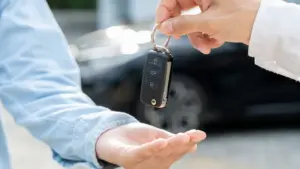
A person handing their car keys to another person.

Before you head out to a holiday party, you should first decide how you will get back home safely. Choose a designated driver who will stay sober, check public transportation schedules in advance, or plan to use a taxi or rideshare service. Having everything planned out will prevent you from choosing to drink and drive.

2. Do Not Let Someone Drive a Car if They Are Under the Influence

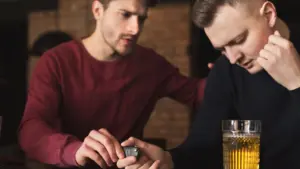
A sober friend taking away his drunk friend's car keys,

If someone you know has been drinking, you should not allow them to get behind the wheel. Try to take their keys if necessary and help arrange a sober ride home. Stepping in can feel uncomfortable, but it will help reduce the likelihood of a collision.

3. If You Drink, Do Not Drive

A drunk woman falling asleep at the bar.

Even if you feel “fine,” alcohol can still affect your judgment and reaction time. If you are drunk, avoid driving altogether and contact a rideshare driver to pick you up, or you can reach out to a sober friend to take you home.

4. Host Responsibly When Serving Alcohol

Two party hosts making a toast to everyone invited.

If you are hosting a gathering for the holidays, you should ensure guests stay safe. Encourage them to have designated, sober drivers or you could even provide non-alcoholic drink options.

5. Always Have Your Seat Belt On

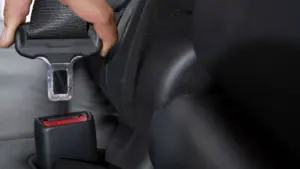
A person buckling up their seatbelt.

Wearing a seat belt is simple and effective. It will remain as your best defense against serious accidents and injuries in drunk driving-related crashes.

6. Follow the Speed Limit and Drive Defensively

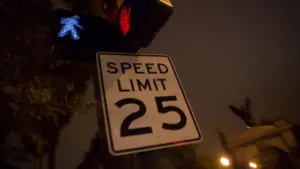
A 25 miles per hour speed limit at night.

Holiday traffic means crowded roads and unpredictable driver behavior. Complying with the speed limit and remaining alert of your surroundings will give you additional time to react if another motorist is acting negligently or appears to be under the influence.

7. Look Out for Others on the Road

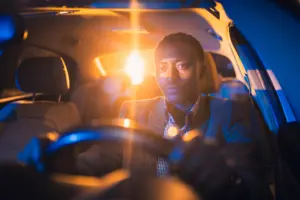
A man driving a car at night with great focus.

Watch out for signs of impaired driving and be sure to maintain a safe following distance. Report dangerous behavior when necessary. Staying aware will help protect you along with everyone else sharing the road.

Do Self-Driving Cars Make it Safe to Drink and Drive?

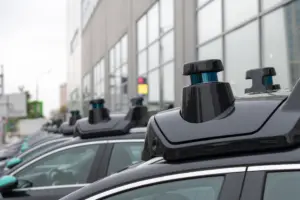
A row of black self-driving cars.

While driver-assist technology continues to advance, these systems do not eliminate the dangers of drunk driving. Most self-driving vehicles on the road nowadays have partial automation, meaning a person will still need to remain alert and ready to take control of the vehicle at all times. Putting trust into this type of feature after drinking can be dangerous and may still lead to legal repercussions if an accident occurs.

During busy holiday periods, road conditions are often unpredictable. Self-driving systems can struggle with heavy congestion, reduced visibility, and reckless drivers, making sober human oversight important. With that said, such technology should not be viewed as a substitute for safer decision-making. 

Until fully autonomous vehicles are approved and are declared safe to use in all types of driving conditions, the most responsible approach to reducing risk during the holiday season would be to avoid drinking and driving altogether. Plan a sober ride home with a friend or family member or use a rideshare or public transportation service instead as a reliable way to avoid alcohol-related crashes.

Injured in a Drunk Driving Accident? Contact West Coast Trial Lawyers Today

A row of lawyers from WCTL.

If you or a loved one were involved in an accident because of a drunk driver, you may be entitled to take legal action against the at fault party to recover compensation. Such cases can leave lasting physical, emotional, and financial burdens. When alcohol impairment is involved, establishing fault and communicating with insurance companies can become too much to handle on your own. Legal guidance will ensure the facts are accurately evaluated and that your claim is taken seriously.

At West Coast Trial Lawyers, our team can help you understand your options and the potential paths available for you to pursue. We handle these types of cases on a contingency-fee basis, allowing you to seek answers without having to deal with upfront legal fees.

To book a FREE consultation, you can reach out to us by calling (213) 927-3700 or filling out our convenient online contact form.

The post 7 Tips To Prevent Drunk Driving Accidents During the Holidays appeared first on West Coast Trial Lawyers.
The Top 10 Most Common Accidents During the Holidays

The holidays are seen as a wonderful time of celebration, travel, and meaningful moments with loved ones. But as schedules fill up, crowds grow, and holiday decorations go up both inside and outside the home, the risk of accidents tends to rise. From private residences to busy roadways and public spaces, understanding the most common holiday accidents helps highlight where injuries often occur and why taking extra precautions during this season matters.

1. Decoration-Related Accidents

A broken ornament that fell to the ground.

Holiday decorations can create accidents because of additional equipment, adjusted spaces, and temporary set ups. For instance, extension cords used for lighting can create tripping hazards. Falling ornaments or decor is another factor that can inflict harm. Decorating often requires climbing ladders, which can increase the risk of falls. Furthermore, maintaining live trees or seasonal displays can clutter walkways or introduce moisture, thus heightening the likelihood of accidental injuries.

2. Slip and Falls

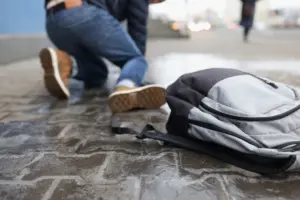
A person who slip and fell outside.

Homes, stores, and venues become more crowded during the holidays. Hazards, such as spilled drinks or loose decorations, can easily trigger falls. These cases can result in broken bones, head injuries, or even long-term mobility issues. The risk heightens during the holiday season because of heavier foot traffic.

3. Drunk Driving

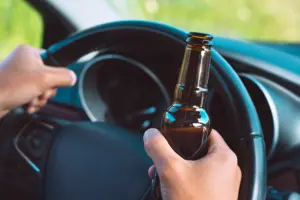
A person driving a car while holding a beer.

Holiday celebrations typically involve alcohol at gatherings, which can increase the number of impaired drivers on the road. These collisions can be severe since alcohol can affect reaction time and judgement, contributing to a high-speed or wrong-way accident. The chances of a drunk driving collision greatly increase around major holidays, including New Year’s Eve, the Fourth of July, and Thanksgiving.

4. Pedestrian Accidents

A man laying on the road, after getting hit by a car.

Busy shopping centers and filled parking lots will see a rise in distracted drivers and pedestrians rushing in and out of stores. As drivers look for parking, they may be unable to detect people crossing nearby, while pedestrians will assume drivers will stop for them. These circumstances can become especially common during the holidays because of congestion and distractions from both sides.

5. Car Accidents

A white car that has been damaged in an accident.

Without a doubt, one of the most common accidents during the holidays, long road trips to visit family can leave drivers exhausted and car accidents can happen at a moments notice. Fatigue may reduce alertness and present dangerous conditions just as worse as driving while under the influence.

6. Kitchen Injuries

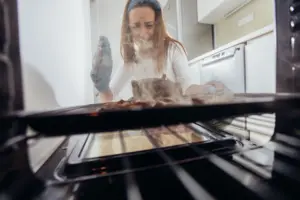
A woman opening the oven and discovering she burnt food inside.

Holiday meals are often made in large quantities, and can be done in crowded kitchens. Grease fires, scalds, oven burns, and other types of burn injuries are all fairly common, especially when people are multitasking or are drunk while cooking.

7. Holiday Decor Fire Accidents

A Christmas candle surrounded by a roaring house fire.

Holiday decor, like candles, string lights, and Christmas trees can pose serious fire risks if not properly maintained. More specifically, dry trees and overloaded outlets can contribute to house fires.

8. Toy-Related Injuries

A person about to step on toys on the stairs.

Children usually receive new toys during the holidays, and some may come with small parts, sharp edges, or require adult supervision. Accidents can involve choking, falls, or cuts.

9. Rideshare Accidents

A concerned woman in the back seat of a car.

Many people depend on rideshare services during the holiday season to avoid drinking and driving or to manage a busy schedule. Busy periods can cause rideshare drivers to push themselves, leading to fatigue and rushed decisions that result in accidents.

10. Weather Conditions

A rainy day outside.

Winter holiday weather can introduce rain, ice, and snow, making both driving and walking more dangerous. Slippery surfaces and limited visibility can significantly raise the likelihood of accidents.

Hurt During the Holidays? West Coast Trial Lawyers Is Here to Help

A row of lawyers from WCTL.

If you were hurt during the holidays as a result of someone else’s negligence, you do not have to go through the legal process on your own. Accidents during these periods can leave lasting physical, emotional, and financial burdens that strain long after the celebrations have come to an end. At West Coast Trial Lawyers, our personal injury lawyers are readily available to step in, handle the insurance companies, and pursue accountability on your behalf so you can focus on healing with a peace of mind.

We offer FREE consultations to look into what happened and explain your options, with no upfront fees to get started. Reach out today by calling (213) 927-3700 or completing our quick online contact form.

The post The Top 10 Most Common Accidents During the Holidays appeared first on West Coast Trial Lawyers.
What Are Washington Comparative Negligence Laws?

Whether you were involved in an accident in Seattle, Tacoma, Spokane, Bellevue, Everett, or a rural part of Washington state, you may be wondering how fault will impact your ability to recover compensation. Fortunately, Washington State follows a comparative negligence system, which determines how much each party contributed to the accident and adjusts compensation accordingly.

This law plays a major role in every Washington personal injury case from motor vehicle crashes on I-5 to pedestrian accidents in downtown Seattle to even slip and fall incidents in Tacoma. With that in mind, understanding the state’s comparative negligence rules can help ensure your chances of protecting your rights and avoid insurance tactics that attempt to undervalue your claim.

Understanding Comparative Negligence

A Comparative Negligence book with a gavel on top of it.

Comparative negligence is the legal framework used to allocate fault when more than one party contributes to an accident. This ensures that every party that had a role in causing the accident in question is held accountable for their actions. For example, in the event of a multi-car pileup on the I-90 highway, every driver that caused damage will be held accountable for their actions. 

In addition, there are two types of comparative negligence, Pure (anyone can recover compensation no matter the degree of fault) and Modified (where hitting certain threshold of fault prevents you from recovering compensation), and while the degrees of liability will vary from state to state, it can ultimately affect the outcome of a personal injury lawsuit.  

Is Washington a Pure or Modified Comparative Negligence State?

Under RCW 4.22.005, Washington follows a Pure Comparative Negligence rule, which means an injured person’s compensation is reduced by the percentage of fault attributed to them. So even if you made a mistake, such as being slightly distracted while driving on SR-520 or crossing a street outside a marked crosswalk in Vancouver, you may still be entitled to compensation for the portion of negligence caused by someone else.

How Damages are Reduced Based on Fault

If you are awarded compensation, your payment is reduced by the percentage of fault assigned to you. 

For example, if you are injured in a car crash near Seattle’s Capitol Hill and your damages total $150,000, but investigators find you 20% at fault for speeding slightly, then your new awarded total will be $120,000.

What Factors Influence Comparative Fault in Washington?

Accidents in Washington State are evaluated using a combination of evidence, state traffic laws, and environmental conditions. While Washington’s weather such as heavy rain, fog, black ice, and steep terrain often plays a role in determining how fault is assigned, other key factors can play a large role in proving negligence. For instance:

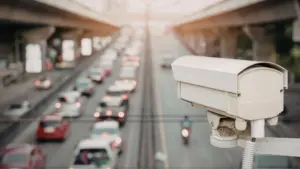
A surveillance camera pointed at a freeway in Washington State.

  • Police Reports and WSP Findings– The Washington State Patrol and local police departments provide critical official documentation after highway or city collisions.
  • Dashcam, Traffic Camera, and Red-Light Camera Footage– Cities like Seattle, Tacoma, and Bellevue have extensive traffic monitoring systems to clear up any debate regarding fault.
  • WSDOT Road Maintenance Issues– Government entities may share liability for unsafe road design, poor lighting, or failure to repair hazards.
  • Pedestrian Right-of-Way Laws– Washington has strong pedestrian protections under RCW 46.61.235, which can influence comparative fault.
  • Cell Phone and Distraction EvidenceDistracted driving is a major cause of accidents in the State and may shift fault percentages significantly.

Because Washington’s pure comparative negligence system allows even small percentages of fault to reduce compensation, insurance companies frequently try to exaggerate the victim’s responsibility. Should this happen, legal representation is crucial to preventing this.

Are There Any Exceptions to Washington’s Comparative Negligence Rule?

While Washington’s pure comparative negligence rule applies broadly, there are several key exceptions and nuances that can affect personal injury claims.

A personal injury logo.

  1. Joint and Several Liability Exceptions– Under RCW 4.22.070, each defendant is typically liable only for their portion of fault. However, in certain cases such as when parties act in concert or when an employer is responsible for an employee, joint and several liability may apply.
  2. Intentional Acts– Comparative negligence does not reduce damages in cases involving intentional harm, such as assault.
  3. Strict Liability Situations– Some claims, such as dog bites or certain product liability cases, impose liability regardless of the victim’s actions. Comparative negligence may still influence damages if reckless conduct by the victim contributed.
  4. Suits Involving Government Agencies– Claims involving WSDOT, King County Metro, Sound Transit, city road maintenance, or school districts may have special procedural rules under Washington’s tort claims statutes.

What to Do If You Are Partially at Fault in an Accident?

Neama consulting with two clients.

If you believe you contributed in any way to your accident you should take steps to protect your rights under Washington’s comparative negligence laws. Whether you were involved in a crash on I-405, experienced a slip on ice in Spokane, or got into a bike accident in Bellingham, you are well within your right to file a claim with a skilled Washington personal injury lawyer and recover for any damages you have lost. 

West Coast Trial Lawyers is a law firm that specializes in personal injury cases and their team of attorneys are committed to holding negligent parties accountable for their actions. With decades of experience and a mission to give people the legal representation they need, our attorneys are dedicated to help get a better understanding of your situation. 

Call us today at (213) 927 3700 or fill out our online contact form for a free case consultation!

The post What Are Washington Comparative Negligence Laws? appeared first on West Coast Trial Lawyers.
The 5 Most Dangerous Intersections in Orange County

Intersections are among the most frequent sites of crashes in California, and Orange County follows the same trend. With thousands of vehicles passing through busy corridors every day, even a small mistake can lead to a serious intersection collision. 

These areas become even more hazardous when visibility is reduced, drivers are traveling in multiple turn lanes, or traffic signals are malfunctioning. Identifying high risk locations allows motorists to stay vigilant, modify their driving, and anticipate potential hazards. Such information can also encourage community awareness and promote safer travel for all road users.

How Common Are Car Accidents in Orange County?

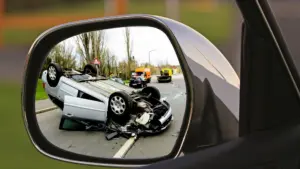
A mirror shot catching a rollover accident.

Orange County experiences a high number of traffic collisions per year. In 2022, the California Office of Traffic Safety (OTS) reported a total of 17,734 people injured or killed in crashes. Speeding was the main cause, contributing to 3,946 victims. 

The county also had 1,891 nighttime crash-related cases, emphasizing that there is an increased risk associated with poor visibility. Hit-and-run accidents accounted for 1,291 victims. Elevated numbers of cyclist injuries (1,020) and pedestrian injuries (883) were also noted.

What Is the Most Dangerous Intersection in Orange County?

Intersections across Orange County differ in terms of traffic volume, design, and crash history. However, many locations have repeatedly appeared in reports as persistent accident hotspots, ranking them as one of the most dangerous intersections. The OC Weekly provides an ordered assessment highlighting specific locations where drivers, pedestrians, and cyclists are at a heightened risk.

1. Beach Boulevard and Chapman Avenue

The area is recognized as one of the county’s busy intersections, and has a long history of serious accidents that have involved motorists, pedestrians, and cyclists. This hazardous intersection has seen repeated accident cases that have been caused by heavy traffic, poor visibility, and drivers failing to yield the right of way. The OC Weekly reported a total of 15 crashes taking place at this single location over a short period of time, averaging more than one per month. Since Beach Boulevard experiences dense oncoming traffic across multiple cities, and often includes tourists unfamiliar with the area, the likelihood of severe injuries or fatalities remains high during peak travel periods.

2. Beach Boulevard and Lampson Avenue

This intersection is known for its elevated crash rate (with 12 reports). Dense traffic, frequent speeding, distracted driving, and inconsistent obedience to traffic signals create a dangerous environment where intersection collisions are common. Although newer rankings are limited, previous evaluations have put this intersection among Orange County’s high risk areas. With nearby commercial centers drawing both residents and tourists, the location remains prone to rear-end collisions, sudden left lane merges, and other crash patterns frequently seen on busy, hazardous roads.

3. Alicia Parkway and Jeronimo Road

High traffic volumes combined with vehicles approaching from multiple directions raise the probability of an intersection crash, particularly when drivers are speeding, distracted, or failing to yield. Assessments have cited this location as a hazardous intersection because of common behaviors, such as lane-weaving, sudden turning movements, and motorists accelerating to beat changing traffic signals. These factors have contributed to many collisions over the years. The most recent assessment indicates a total of 11 cases, leading to the area being recognized as one of Mission Viejo’s most dangerous spots.

4. Alicia Parkway and Muirlands Boulevard

Reports have documented nine  crashes taking place in this location in a single year, making it one of the most dangerous. Heavy traffic from nearby residential communities and shopping centers can create settings where serious accidents are more likely to occur. Drivers may face challenges merging from the left lane or trying to navigate congested traffic.

5. Crown Valley Parkway and Cabot Road

The location has been described as high risk because of frequent collisions (8 cases) and congested traffic connected to nearby shopping malls and major retail stores, like Costco. It attracts both residents and tourists, increasing traffic volume and the likelihood of motor vehicle accidents. Common crashes that may be presented in such a case include rear-end collisions, left lane conflicts, and intersection crashes, particularly during peak hours.

Who May Be Liable After an Intersection Collision?

Liability in an intersection collision will depend on the actions committed by each party involved and the type of evidence gathered at the scene. Drivers who run red lights, do not yield to oncoming vehicles, or speed through intersections can be held responsible. Fault can extend in cases where malfunctioning traffic signals or poor road designs contributed to the impact. This may involve a city or county that ignored previous complaints or let defective equipment remain in service. 

A close-up definition for the word 'Liability'.

Police reports play an important role in establishing fault as such documentation can share details surrounding the event that will help pinpoint the cause of the incident. Additional proof, like video footage and witness information, can further clarify who should be held legally responsible for the intersection collision.

California follows a pure comparative negligence system, meaning each party’s compensation can be adjusted in accordance to their percentage of fault. This allows injured victims to recover damages even if they were partly liable for the intersection crash. For instance, if you are assigned 20% fault, you may still be able to acquire 80% of damages to cover your losses.

How a Personal Injury Lawyer Can Help Accident Victims

Neama consulting with two clients.

A personal injury lawyer can play a big role in helping accident victims, especially those who are dealing with serious injuries and a pile-up of medical bills. An attorney can gather evidence, look into collision reports, obtain video footage, and interview witnesses to understand how the crash happened and establish fault. They can also negotiate with insurance companies to ensure victims are seeking compensation that accurately mirrors the impact of the intersection crash. With legal guidance and support, affected individuals will be able to focus on healing while their attorneys defend their rights and develop a well-constructed claim on their behalf, ultimately bettering their chances at securing favorable results.

When to Seek Legal Help After a Crash

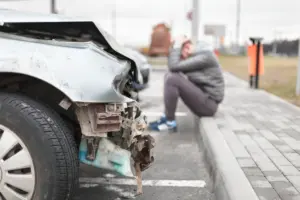
A man sitting on the curb miserable, after getting in a car accident.

You should consider seeking legal help as soon as you can shortly after your immediate safety and medical attention needs have been addressed. An attorney can step in to preserve evidence, communicate with insurers, and ensure your rights are protected from the very start.

If your injuries are affecting your daily lifestyle, professional guidance can enhance your ability to pursue fair compensation, whether it is through an insurance claim or a personal injury lawsuit. Prompt action will ensure that documentation, witness testimony, and important records can be obtained to strengthen your case.

Injured in an Intersection Crash? West Coast Trial Lawyers Is Here to Help

A row of lawyers from WCTL.

If you were injured in an intersection crash, West Coast Trial Lawyers will support you from start to finish. Our personal injury lawyers will handle communications with insurers, gather evidence, assess liability, and advocate on your behalf to recover compensation. We represent injured victims who have been involved in roadway incidents, whether it be intersection accidents, pedestrian collisions, or hit-and-run cases. With our guidance and support, you can focus on healing while we work to get you the best possible outcome.

We run on a contingency-fee basis, meaning you owe us nothing unless we successfully settle your case. To book a FREE consultation, you can get in touch with us by calling (213) 927-3700 or filling out our quick online contact form

The post The 5 Most Dangerous Intersections in Orange County appeared first on West Coast Trial Lawyers.

What are Arizona’s Comparative Negligence Laws? [In-Depth Guide]

If you were injured in an accident in Arizona, whether in Phoenix gridlock traffic, a Tucson intersection, a Flagstaff winter roadway, or a Mesa grocery store, understanding how fault is determined is crucial especially in a legal claim. Arizona uses a fault system known as comparative negligence, and it can ultimately determine how much compensation you can recover based on your level of responsibility for the accident.

Because Arizona’s roads, weather conditions, and urban layouts often create complex liability scenarios, knowing how these laws work can significantly impact the outcome of your personal injury claim.

What is Comparative Negligence?

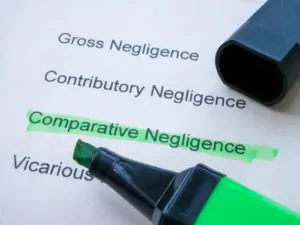
The word 'Comparative Negligence' highlighted green.

Comparative negligence is a legal rule that allocates responsibility between multiple parties when an accident occurs. Instead of blaming one person entirely, Arizona courts evaluate the actions of everyone involved, including the injured victim.
In more practical terms, comparative negligence means that your compensation can be reduced by your percentage of fault and you are never completely barred from recovering damages due to partial fault. 

Is Arizona a Pure or Modified Comparative Negligent State?

Arizona follows pure comparative negligence under A.R.S. § 12-2505, and serves as one of the most plaintiff-friendly systems in the country.  This means:

  • You can recover financial compensation even if you were up to 99% at fault.
  • Your recovery is simply reduced in proportion to your percentage of fault.
  • Unlike modified comparative negligence states, Arizona never bars recovery based on fault percentage.

For example, if a rear-end accident happened near the Deck Park Tunnel and the injured driver was 30% at fault for causing the accident because they were distracted by something, then 30% of their awarded sum will be reduced to take account of their actions. So if the total amount of damages resulted in $90,000, the injured driver will recover $63,000. 
Why Arizona Uses Pure Comparative Negligence

Arizona courts recognize that accidents here often involve shared responsibility, especially given that the state is known for high-speed freeway accidents on I-10, I-17, and Loop 101, and its weather-related hazards like dust storms or monsoon flooding. As such, a pure comparative negligence system ensures that injured victims can still receive compensation even when multiple factors contributed to the incident.

How is Fault Determined in an Arizona Personal Injury Case?

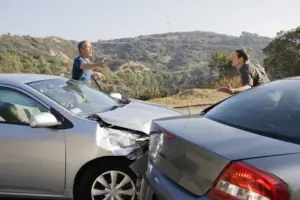
Two drivers arguing over a car accident.

Determining fault in Arizona requires analyzing how each party behaved under Arizona-specific conditions, such as heavy tourist traffic, urban sprawl, and unique weather patterns.

Investigators, lawyers, insurers, and courts typically consider evidence such as police reports from local Arizona police departments, witness statements, weather conditions, and any digital video evidence

In addition, having a skilled Arizona personal injury lawyer to represent you can help determine the degrees of fault and will fight to minimize your degree of fault to recover damages.

Exceptions to Arizona’s Comparative Negligence Rule

While Arizona applies pure comparative negligence most of the time, there are key exceptions under A.R.S. § 12-2505. 

  • Intentional Misconduct– If a defendant intentionally harms someone such as committing an assault, they cannot argue that the victim shares fault for the incident.
  • Felonious Acts– A defendant engaged in felonious criminal behavior cannot reduce their liability by shifting blame.
  • Strict Liability Cases– Although comparative negligence may still be considered, Arizona’s strict liability laws such as those governing dog bites under A.R.S. 11-1025 often limit the defendant’s ability to avoid responsibility.
  • Alcohol Overservice (Dram Shop Cases)– Bars, nightclubs, and restaurants in cities like Scottsdale, Tempe, and downtown Phoenix may face full responsibility if they overserve visibly intoxicated patrons who later cause injuries.

What to Do If You Were Partially Liable for an Arizona Accident?

Neama consulting with two clients.

Even if you believe you share some blame for an accident anywhere in Arizona, you can likely still recover compensation. Because insurers often try to inflate your fault percentage, it is important to take the right steps immediately and contact an experienced Arizona personal injury lawyer to help understand your rights. 

At West Coast Trial Lawyers, our team of personal injury lawyers have decades of experience fighting for people’s rights and are committed to giving accident victims the legal representation they need. With over $1.7 billion in financial compensation recovered for our clients, we will continue to do our duty and watch out for our client’s best interest at heart. 

Call us today at (213) 927 3700 or fill out our online contact form for a free case consultation!

The post What are Arizona’s Comparative Negligence Laws? [In-Depth Guide] appeared first on West Coast Trial Lawyers.