Court Orders Video Recording of Neuropsychological Examination

In the case of Cherelle Matchet v. Karen Nelson-Hughes, Civil No. 2022-43 (USDC Virgin Islands 5/6/24), the Federal District Court addressed whether the plaintiff’s neuropsychological examination by the defendant’s expert should be videorecorded. The plaintiff requested video recording to ensure the reliability and accuracy of the examination, while the defendant opposed it, citing concerns about test confidentiality and validity.

The court found defendant’s ethical concerns that recording presents an ethical violation was not persuasive. The court noted the American Psychological Association does not have a rule against recording, and the preference of some professional organizations against TPOs or recording does not have binding regulatory effect. The court rejected defendant’s reliance on studies cited about the negative impact of recording on test performance were found to be limited and not directly applicable to litigants in personal injury cases. The court found defendant’s arguments regarding the invalidation of results due to recording unconvincing. Plaintiff’s expert reviewed over 60 recorded assessments without identifying significant impediments to interpretation.

Given the plaintiff’s claims of memory loss and trouble concentrating, recording was deemed necessary to ensure an accurate account of the examination process and adherence to proper testing protocols.

The court ordered that the plaintiff’s neuropsychological examination be video recorded, with the recording to be used solely for litigation purposes. The parties were directed to work out the logistics of the recording, and the plaintiff was precluded from challenging the validity of the neuropsychological opinion on the basis that the examination was recorded.

**Order Summary**

  1. The examination shall be video recorded.
  2. The recording must be promptly available to the plaintiff’s expert for review.
  3. The recording is restricted to use within this litigation and disclosed only to counsel, their office assistants, and experts, with confidentiality protections in place.
  4. Parties must meet to discuss recording logistics.
  5. Plaintiff cannot challenge the validity of the examination based on it being recorded.

The post Court Orders Video Recording of Neuropsychological Examination appeared first on Stark & Stark, PC.
New Mexico Trial Court Upholds Admissibility of Diffusion Tensor Imaging (DTI)

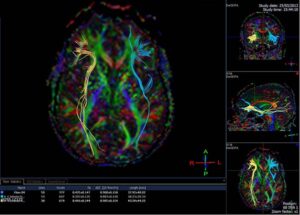
diffusion tensor imaging legal | traumatic brain injury scan

In a recent judicial ruling that adds to the growing body of case law affirming the legal acceptance of advanced medical imaging techniques, the court once again endorsed the admissibility of Diffusion Tensor Imaging (DTI) as a credible method for diagnosing traumatic brain injuries. This particular verdict was rendered in the context of the litigation Herrera v. Prestige Equipment Rentals, case number No. D-504-CV-2021-00538, adjudicated by the 5th Judicial District Court of New Mexico on February 29, 2024.

In this case, the defendant sought to challenge the credibility of expert testimony provided by Dr. William Hwang, who had employed DTI to ascertain the plaintiff’s condition. Dr. Hwang’s examination revealed that the plaintiff had suffered a traumatic brain injury, attributing 30% to 40% of his diagnostic conclusion to the DTI findings that were considered abnormal. The defense’s motion aimed to exclude Dr. Hwang’s testimony and the DTI evidence on grounds questioning the reliability of this imaging technique.

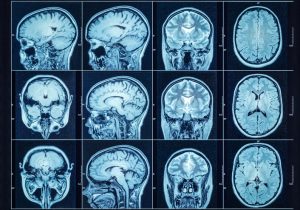
However, the court decisively rejected the defendant’s motion to exclude this expert testimony. In its ruling, the court explicitly recognized MRI-DTI as a “sufficiently reliable means to diagnose traumatic brain injury.” This judgment aligns with the precedent established by numerous other courts, which the plaintiffs referenced to support their argument. The court’s decision not only underscored the credibility of DTI in the medical diagnostic arena but also reinforced its legal admissibility as evidence in cases involving claims of traumatic brain injury.

This ruling from the Herrera v. Prestige Equipment Rentals case stands as a significant testament to the evolving acceptance of DTI in the judicial system. It further confirms the technique’s role in enhancing the accuracy of diagnoses concerning traumatic brain injuries, thereby offering substantial support for the presentation and substantiation of related legal claims.

The post New Mexico Trial Court Upholds Admissibility of Diffusion Tensor Imaging (DTI) appeared first on Stark & Stark, PC.

Contrasting Outcomes of Sports-Related and Non-Sports-Related Traumatic Brain Injury

Traumatic brain injury (TBI) has become a rising concern, especially in the context of sports-related injuries. A recent observational cohort study, conducted as part of the CENTER-TBI project, aimed to compare the outcomes of individuals with sports-related TBI and non-sports-related TBI. This summary explores the study’s findings on the characteristics and outcomes of these two groups, with a particular focus on the implications for victims of brain injuries.

Key Findings:

The study analyzed data from 4509 patients, including 256 with sports-related TBI and 4104 with non-sports-related TBI. After adjusting for clinical and demographic differences, the study found the following:

  1. Improved Recovery for Sports-Related TBI: Individuals with sports-related TBI experienced better recovery at 6 months in terms of symptoms, mental health, and health-related quality of life compared to those with non-sports-related TBI.
  2. No Difference in Functional Outcomes: Despite the better recovery in certain areas, there was no significant difference in functional outcomes between the two groups. This suggests that both sports-related and non-sports-related TBI can have similar long-term effects on functioning.
  3. Persistence of Impairment in Sports-Related TBI: Even individuals with mild sports-related TBI and negative imaging findings still faced a degree of disability, with 31% experiencing incomplete recovery at 6 months.
  4. Psychological Well-being: The sports-related TBI group had lower prevalence rates of anxiety, depression, posttraumatic stress disorder, and postconcussion symptoms compared to the non-sports-related TBI group at the 6-month mark.

Perspective of a Personal Injury Attorney:

As a personal injury attorney who helps victims of brain injuries, these findings carry significant implications. While it is encouraging that individuals with sports-related TBI had better recovery in certain aspects, it is essential to address the persistence of impairment, even in mild cases. This highlights the importance of clinical follow-up and support for all TBI patients, regardless of injury severity.

In cases involving sports-related TBI, it is crucial for attorneys representing victims to understand the complex nature of these injuries. The study highlights that functional limitations can persist, emphasizing the need for ongoing medical care and rehabilitation for brain injury victims. Attorneys play a vital role in ensuring that TBI victims receive proper compensation for medical expenses, lost wages, and long-term care needs.

Furthermore, the lower prevalence of psychological symptoms among sports-related TBI patients raises the importance of psychological support for all TBI victims. Attorneys can help ensure that the emotional and mental well-being of their clients is adequately addressed and accounted for in legal proceedings.

Conclusion:

The contrasting characteristics and outcomes revealed in the study emphasize the need for comprehensive care and support for all TBI patients, regardless of the cause. While sports-related TBI may have some advantages in terms of certain recovery measures, it is vital to recognize the persistence of impairment and the potential long-term consequences. Attorneys specializing in personal injury cases related to brain injuries have a crucial role in advocating for the rights and well-being of TBI victims, ensuring they receive the medical and psychological support they require for a successful recovery.

The post Contrasting Outcomes of Sports-Related and Non-Sports-Related Traumatic Brain Injury appeared first on Stark & Stark, PC.

Impact of Extracranial Surgery and Anesthesia on Clinical Outcomes after Traumatic Brain Injury: TRACK-TBI Study

Introduction

TRACK-TBITraumatic brain injury (TBI) is known to result in long-term functional and cognitive deficits. However, the influence of exposure to surgery and anesthesia on TBI outcomes remains uncertain, despite previous associations between surgery and neurocognitive disorders. The purpose of this retrospective cohort study was to investigate whether extracranial (EC) surgery and anesthesia are linked to worse functional and cognitive outcomes following TBI.

Methods

The study analyzed data from the Transforming Research and Clinical Knowledge in Traumatic Brain Injury (TRACK-TBI) study, which included participants from 18 level I trauma centers in the United States. The participants were 17 years or older, presented within 24 hours of trauma, were admitted from the emergency department, and had known Glasgow Coma Scale (GCS) and head computed tomography (CT) results. Participants who underwent cranial surgery were excluded from the analysis. The outcomes assessed were functional limitations measured by the Glasgow Outcome Scale–Extended for all injuries (GOSE-ALL) and brain injury (GOSE-TBI), as well as neurocognitive outcomes at 2 weeks and 6 months post-injury.

Results

A total of 1835 participants were analyzed, comprising 1349 nonsurgical participants and 486 participants who underwent EC surgery. The study found that participants who underwent EC surgery had significantly worse functional outcomes at both 2 weeks and 6 months after injury, compared to their nonsurgical counterparts. At 6 months, participants with moderate to severe TBI (m/sTBI) and positive CT results for mild TBI (CT+ mTBI) who underwent EC surgery had significantly worse GOSE-TBI scores and performed worse on the Trail Making Test Part B, indicating impaired executive function.

Conclusions

The study revealed an association between exposure to EC surgery and anesthesia and unfavorable functional and cognitive outcomes after TBI, particularly in individuals with acute intracranial findings on neuroimaging. These findings highlight the potential detrimental effects of the perioperative period on the injured brain. Further investigation is warranted to determine the underlying mechanisms and clinical implications, which could inform decisions regarding the timing of surgical interventions in TBI patients.

The post Impact of Extracranial Surgery and Anesthesia on Clinical Outcomes after Traumatic Brain Injury: TRACK-TBI Study appeared first on Stark & Stark, PC.